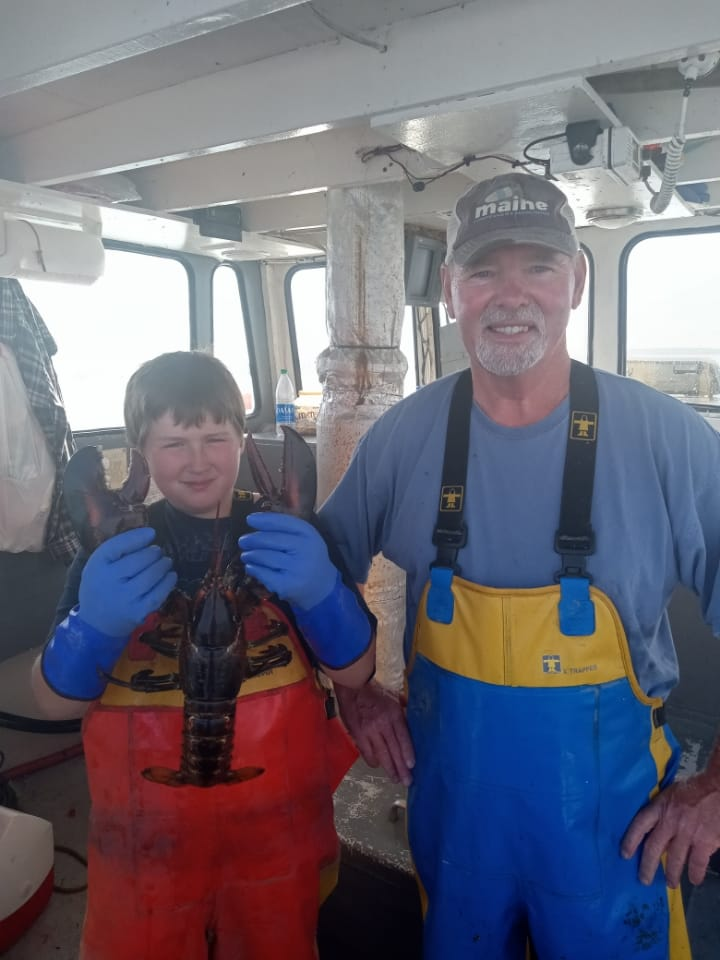
Supporting Local Fisheries

Fisheries are way over-regulated. Regulations come from the federal government and by the state. Every time you turn around they are trying to reduce or close another fishery.
Sometimes these regulations are put forward with no consideration for how they impact heritage industries here in Maine such as lobstering and clamming.
Fishermen have been the conservationist. They need to be included in all decision-making processes that effect their industry. We need to stop and reevaluate what is working and what isn't.
Until the people that are involved in the industry are at the table, no doubt it will be a failure waiting to happen. It can't just be legislators and interest groups that aren't directly involved. As a State Representative, I would be both a legislator and a fisherman fighting for these iconic industries.
I was involved in efforts to clean up the Medomak River. The efforts have shown great success and illustrate how conservation and the fishing industry go hand-in-hand. The efforts of the Medomak Project helped reopen over 300 acres to clamming, which is a vital economic driver in the district. This is has not been just a recovery effort, now it is about sustainability.
Why Maine's Fisheries Matter
Maine’s commercial fisheries—lobster, scallops, groundfish, elvers, aquaculture, and more—are essential because they:
-
Support coastal economies from Kittery to Eastport.
-
Provide thousands of jobs in harvesting, processing, boat-building, gear supply, and marine trades.
-
Sustain working waterfronts, which are increasingly threatened by development and climate impacts.
-
Anchor Maine’s identity, tourism, and food culture.
-
Contribute significantly to Maine’s export economy, especially lobster.
How a Legislator Can Support Maine Fisheries
1. Protect Working Waterfronts
Working waterfront access is one of the biggest long‑term threats to Maine’s fisheries.
A legislator can:
-
Expand the Working Waterfront Access Protection Program to help fishing families and co‑ops secure permanent access.
-
Support tax incentives or zoning protections for commercial fishing infrastructure.
-
Fund climate‑resilient upgrades to piers, wharves, and harbors.
-
Ensure Maine has strong representation in regional fisheries management councils.
2. Reduce Regulatory Burdens & Improve Communication
Fishermen often face complex, rapidly changing regulations.
A legislator can:
-
Advocate for clearer communication between state agencies and fishermen.
-
Support programs that help small fishing operations navigate licensing, reporting, and compliance.
-
Ensure that new regulations consider the realities of small‑boat, owner‑operator fleets
3. Invest in Workforce & Maritime Trades
The fishing industry depends on skilled workers—boat-builders, welders, marine engineers, and deckhands.
A legislator can:
-
Expand vocational training in marine trades.
-
Support apprenticeship programs for young fishermen.
-
Fund safety training, including cold‑water survival and navigation.